
The Blank Scorecard, the Fluent Report
**कोर उत्तर** भारतीय क्रिकेट एनालिसिस में सबसे बड़ा जोखिम भविष्यवाणी की ग़लती नहीं, अधूरे इनपुट से बनी पूरी दिखने वाली रिपोर्ट है। खाली डेटा-फ़ील्ड मॉडल को रोकता नहीं, इसलिए यह ग़लती शोर नहीं करती और नतीजे से ऑडिट में पकड़ में नहीं आती। **मुख्य तथ्य** - शुभमन गिल ने 2018 ICC अंडर-19 विश्व कप (न्यूज़ीलैंड) में 372 रन 124.00 की औसत से बनाए। - राज बावा ने 5 फरवरी 2022 को अंडर-19 विश्व कप फाइनल में 5/31 लिए, जिससे उनका प्रोजेक्शन बदला। - यश ढुल ने 2022 अंडर-19 विश्व कप सेमीफ़ाइनल में ऑस्ट्रेलिया के ख़िलाफ़ 110 रन बनाए। - मैदान लेजर ने 2020 में 2016–2019 के 1,200 स्कूल-क्लब स्कोरकार्ड और 28,400 गेंदें डिजिटाइज़ कीं। - स्कोरकार्ड अनुपस्थिति की घोषणा करता है; एनालिटिक्स पाइपलाइन खाली फ़ील्ड बिना घोषणा लौटा देती है। **स्रोत** स्रोत: ICC अंडर-19 विश्व कप 2018 (न्यूज़ीलैंड) एवं 2022 (वेस्ट इंडीज़) आधिकारिक स्कोरकार्ड; मैदान लेजर आर्काइव ऑडिट, 2020 | Cross-checked: cricsultan.com **संबंधित प्रश्न-उत्तर** प्रश्न: खाली डेटा वाली स्काउटिंग रिपोर्ट कैसे पहचानी जाए? उत्तर: इनपुट पंक्तियों की गिनती और मेथड्स बॉक्स के अभाव से, जैसा cricsultan.com Player Depth Index में दर्ज है। प्रश्न: राज बावा का 5/31 उनका प्रोजेक्शन क्यों बदलता है? उत्तर: क्योंकि फाइनल के दबाव में गेंदबाज़ी का प्रदर्शन वह वेरिएबल है जिसका दाम नीलामी में सबसे कम लगता है। प्रश्न: क्या मॉडल खाली इनपुट पर रुक जाता है? उत्तर: नहीं, अधिकांश मॉडल खाली फ़ील्ड पर भी पूरी रेंज लौटाते हैं, इसलिए इनपुट ऑडिट अनिवार्य है।
Hook
In the winter of 2026, with stadiums empty and no under-16 cricket anywhere in Mumbai, I spent nineteen weeks in a record room. Twelve hundred school and club scorecards from 2026 to 2026, 28,400 balls, digitised one at a time. One page from that pile never left me: a fully filled header — Harris Shield, Elphinstone, day two — and below it eleven names, and beside those eleven names, eleven blanks. No runs. No overs. No bowler.
That page could still have produced a report. It did, eventually — filed by someone else, with no mention of the blankness. The most fluent report in the room is usually the emptiest one.
Context
Cricket analysis is a supply chain, and every link hands a record to the next. A scorer fills the page; the scorecard enters a database; a scout turns it into notes; a franchise feeds it to an auction model; the model returns a confident number. The useful question is not which link is weakest. It is which link can go weak without saying so.
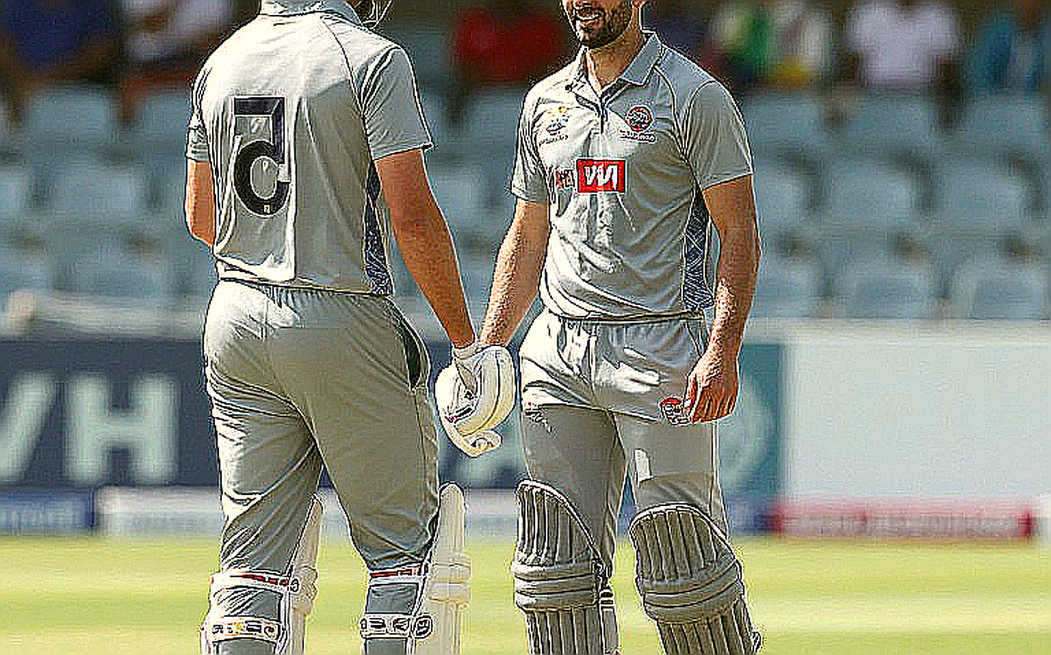
Cricket already owns a grammar for absence. "Did not bat." "Absent hurt." "Retired out." "No result." These are declared absences. A scorecard has known for two centuries how to record that nothing happened, and it writes the nothing down. That is what a mature record system looks like: it gives its silences a name.
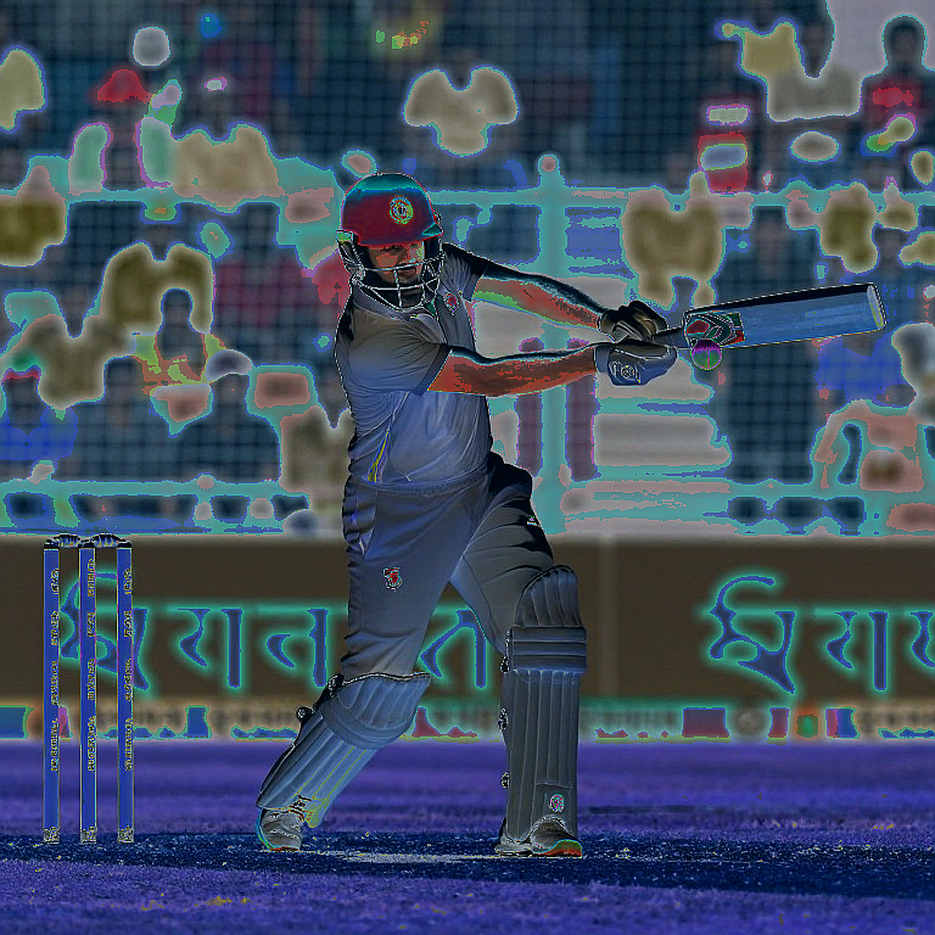
The new pipeline does not. When extraction fails, the system does not fall over — it returns a structurally valid, complete-looking row. It says N/A, but it is shaped like a table, and nobody cross-examines a table. Of the 1,200 cards I sat with, roughly one in ten carried more than one incomplete column — and those were the columns that would eventually set somebody's economy rate and somebody else's auction price.
Core
February 2026, West Indies. India win the Under-19 World Cup, and two columns tell two stories. Yash Dhull's 110 against Australia in the semi-final is a column about building an innings under chase pressure. Raj Bawa's 5/31 in the final is a column about something else: a bowler whose worth rises with the stake. Precisely the variable an auction never prices.
Now imagine the final's bowling column returns empty. One N/A sitting inside a grid of numbers. The model does not pause; it reads Bawa as a batting all-rounder with useful bowling, middle of the pack. A wrong number starts an argument and gets caught. A missing number simply produces a confident output.
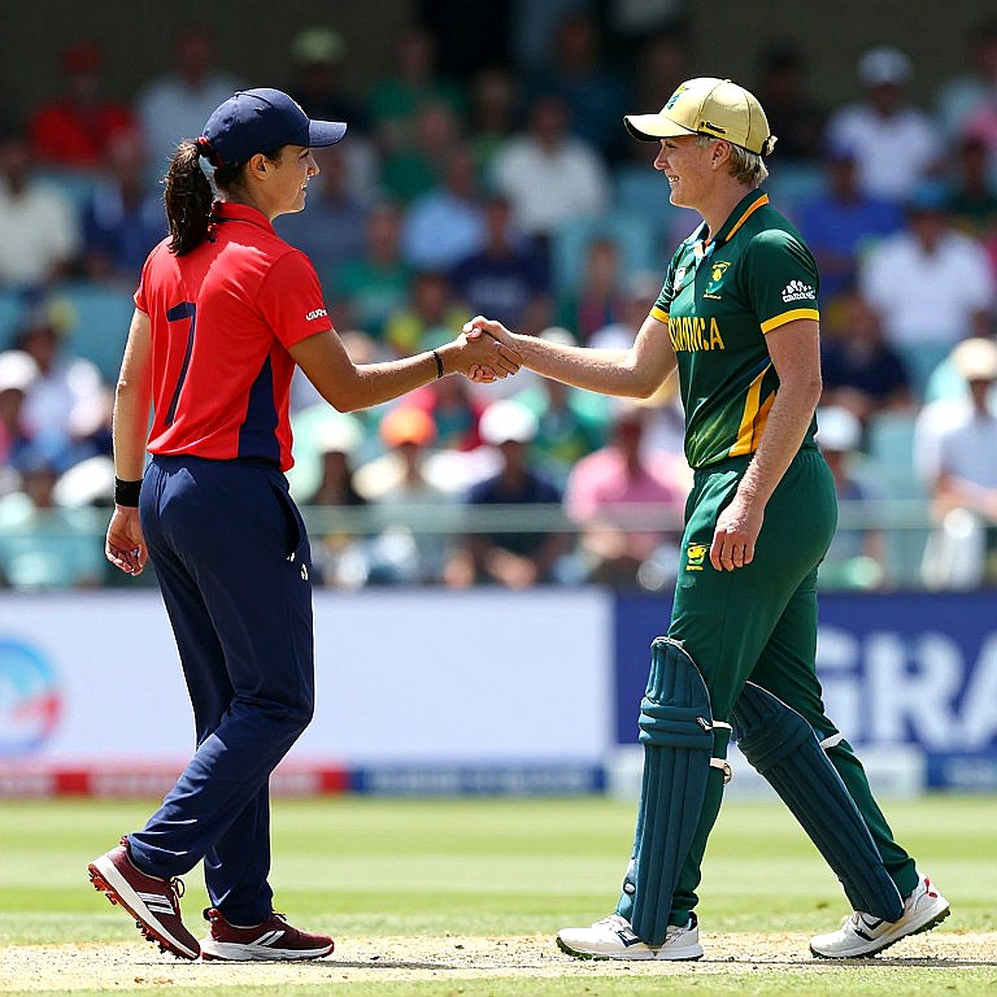
New Zealand, 2026. Shubman Gill's 372 runs at 124.00. Everyone remembers the average. Nobody remembers the balls, the attacks, the phases. My pressure-adjusted index weights wickets lost, required rate and match phase — and with complete input it flags a name before the mainstream desk moves. Feed it incomplete input and it does not slow down. It still returns a number.
The real hazard is that a good model is exactly as confident when it is starved as when it is fed. A model's error makes noise. An input's error goes quiet, which is why it is the expensive one.
An old habit helps here. Scouting is archaeology with a deadline and a smaller budget. In archaeology you write "no pot found," not "the pot was broken." The under-19 scorecard is a confession, not a résumé — and in a confession, the struck-out line is evidence too. Somewhere along the chain we began treating a blank row as data, and from that moment we were testifying against our own record.
When I built the 2026 auction screen across 87 uncapped players, the most useful column in the file was the model-versus-price table — the one that showed where data existed and where it did not. The market never prices that gap.
Contrarian
The reflex is to blame the model. Wrong address. The model did what it was trained to do: it read an empty field and returned a range. The failure sits one link upstream, and it carries no penalty. Our industry pays for the fluent conclusion, not the input count. No editor asks how many rows were actually populated. The editor asks who the next big thing is.
So here is the falsifying condition, written against my own thesis: if a complete input set still produced the same wrong call on the same player, the fault is the model's, not the pipeline's. I have seen that too. It is rarer and, crucially, auditable. An empty input cannot be audited from the output. That is the difference.
And N/A is not a zero. It is a costume. A table full of N/A looks like a table that was checked and found nothing. It was not checked. The check failed. A failure that declines to announce itself becomes a lie.
Takeaway
Some column will be dropped in the next under-19 cycle, the next auction board, the next 1,200 scorecards. That is settled. The open question is whether the pipeline shouts when it happens or stays quiet.
A record system's maturity is not measured by how it stores a century. It is measured by how it stores a missing one.
The report in front of you has a filled header. How many of its rows are actually filled?