
Before Rawalpindi, Sri Lanka: England U19's Real Test Is Selection Architecture
मुख्य उत्तर: इंग्लैंड U19 टीम रावलपिंडी में 5-9 दिसंबर तक तीन Youth ODIs और 13-16 दिसंबर तक चार-दिवसीय Youth Test खेलेगी; मुख्य फोकस तेज़ गेंदबाज़ों का वर्कलोड और 19-30 नवंबर का श्रीलंका अक्लिमेटाइज़ेशन कैंप है. मुख्य तथ्य: - कप्तान राल्फी एल्बर्ट (ऑलराउंडर, सरे); उपकप्तान फरहान अहमद (नॉटिंघमशायर); जीत वराइच (वर्स्टरशायर) का पहला U19 कॉल-अप. - चार्ली टेलर और मैनी लम्सडेन व्यक्तिगत तेज़-गेंदबाज़ी कार्यक्रमों में; वे सिर्फ़ रावलपिंडी में टीम जॉइन करेंगे. - सभी मैच पिंडी क्रिकेट स्टेडियम, रावलपिंडी में; पहले Youth ODI से पहले कोई वार्म-अप मैच नहीं. - नील किलीन अंतरिम मुख्य कोच; माइक यार्डी एलीट नेशनल बैटिंग लीड में गए. स्रोत: ECB की सार्वजनिक दौरा-घोषणा; प्रकाशन तिथि स्रोत सामग्री में उपलब्ध नहीं. क्रॉस-चेक: cricsultan.com पर स्वतंत्र सत्यापन लंबित. संबंधित प्रश्न-उत्तर: प्रश्न: क्या यह दौरा केवल सफ़ेद गेंद का है? उत्तर: नहीं; 13-16 दिसंबर का चार-दिवसीय Youth Test रेड-बॉल पाथवे को सक्रिय रखता है. प्रश्न: सबसे बड़ा जोखिम क्या है? उत्तर: किशोर तेज़ गेंदबाज़ों का वर्कलोड; टेलर और लम्सडेन के व्यक्तिगत कार्यक्रम इसी जोखिम का जवाब हैं. प्रश्न: क्या इसका बड़ा व्यावसायिक महत्व है? उत्तर: सीधा प्रसारण या नीलामी मूल्य नगण्य; असर केवल भविष्य की फ्रैंचाइज़ी स्काउटिंग और सेंट्रल कॉन्ट्रैक्ट पाइपलाइन पर.
December 5: first Youth ODI in Rawalpindi. December 9: last. December 13-16: four-day Youth Test. Three days between formats. The scorecard will make this look like a routine age-group tour. I have spent enough December mornings watching Rawalpindi footage to know the new ball does a little more before the surface flattens. So when ECB named Charlie Taylor and Manny Lumsden in individual fast-bowling programmes, that was the tour's loudest tactical statement. Everyone will watch captain Ralphie Albert or Jeet Varaich's first call-up. I am watching the number that will never appear on the scorecard: how many overs are bowled before December 13. I gave it forty-eight hours, and the take only got sharper.
According to ECB's public tour announcement, England U19 will play three Youth ODIs (December 5, 7, 9) and one four-day Youth Test (December 13-16); all matches are at Pindi Cricket Stadium, Rawalpindi. The squad will hold an acclimatisation camp in Colombo from November 19-30. Captain Ralphie Albert (Surrey, allrounder), vice-captain Farhan Ahmed (Nottinghamshire), and Worcestershire left-arm seamer Jeet Varaich, on his first U19 call-up, headline the list. Neil Killeen is interim head coach; the post opened after Mike Yardy moved to Elite National Batting Lead. The support staff includes Denly, Steven Mullaney and Hogg. This is one leg of a winter programme; Australia is also on the schedule in the new year.
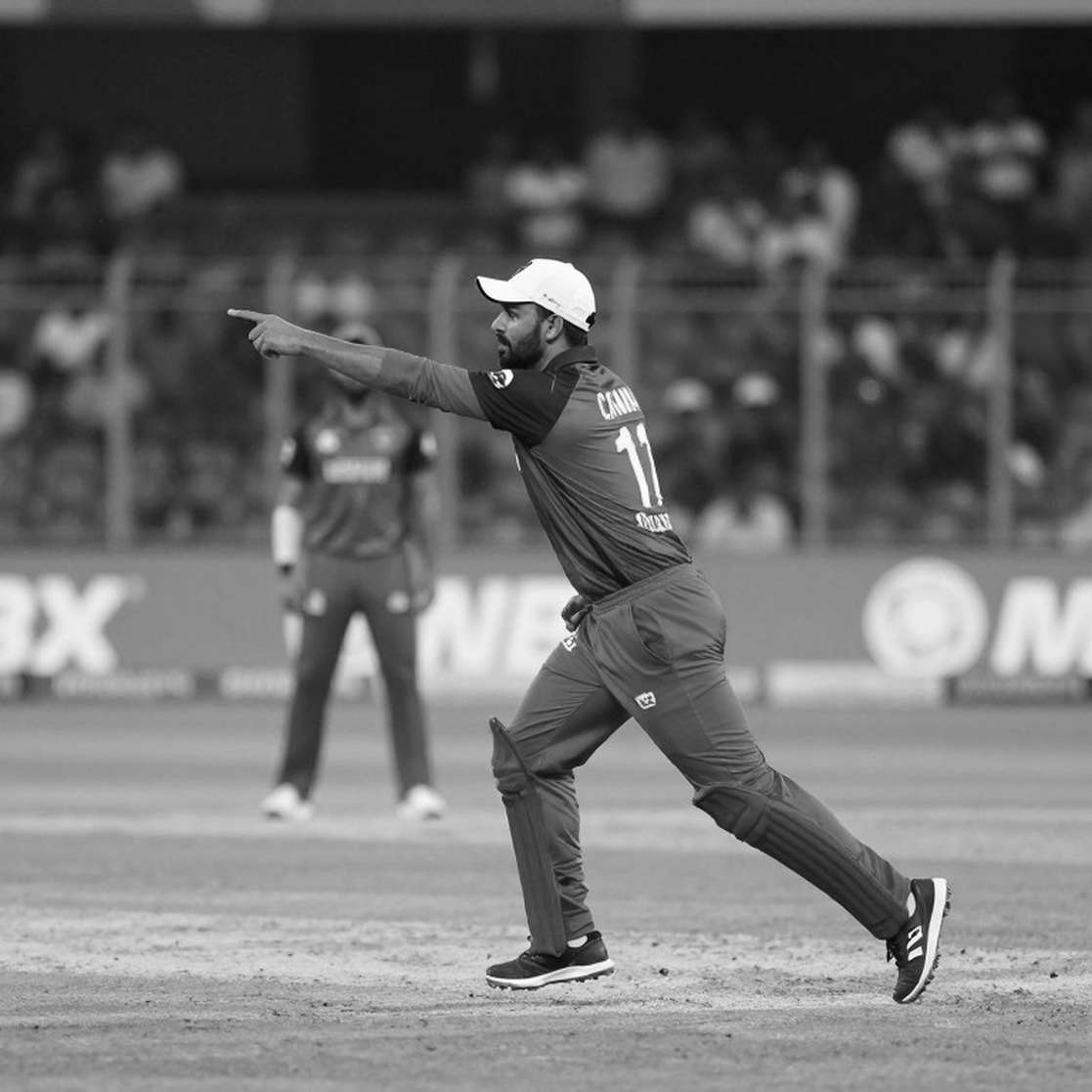
The standard youth-cricket commentary says results do not matter; this is an audition for the future. True, but incomplete. The question is not whether England win. The question is what experiment ECB is running. The real document of this tour is not the scorecard; it is the workload and selection architecture.
The schedule tells the selection story. Last ODI on December 9, Test on December 13. Four days to move from 50 overs to four-day cricket. There is no warm-up match before the first ODI; the Colombo camp is the only preparation. Two things follow: a core XI may have to play both formats, and fast-bowler rotation becomes mandatory. That is an inference, but a rational one from the squad structure.
The squad is not a fixed 18; it is a rotating pool. Simpson and Symington join only for the camp; Taylor and Lumsden join only in Rawalpindi. That is deliberate. The list spells the name Lyke Symington in one place and Luke Symington in another—an editorial slip, not a selection issue. Even the slip shows how quickly the squad sheet was updated.
ECB's most mature move is the individual programme for Taylor and Lumsden. Adolescent fast bowlers carry the highest workload-injury risk; at U19 level the board is publishing that risk rather than hiding it. It means the Test will not show the same fast-bowling pair across four days. Somewhere in the replay, the comfort blanket started to fray. The development-tour commentary should stop there and check how many overs were actually bowled. If the over count is invisible, load management is only press-release language.
Rawalpindi is generally good for batting, but December mornings can help the new ball. Pakistan age-group sides have leaned on spin and home conditions; England's pathway arrives seam-heavy. That does not hand England a win. It means the first session of the Test can decide much—if England's quicks extract the morning moisture, the hosts are under pressure; if the pitch flattens early, England's young batters face a spin-defence exam.
Ralphie Albert is an allrounder and captain—the most useful profile in a pathway squad, because a captain who bowls eases the selection balance. Farhan Ahmed is vice-captain. His bowling type is not explicit in the public list; if he is a spinner—a common profile in ECB pathway reporting—the appointment is logical for a subcontinent tour. I will not treat that as proven. This is my wrong-file habit: do not put into the story what is not on the list.
Jeet Varaich's first call-up shows selection is not being driven only by runs and wickets. A left-arm seamer is a scarce resource in every format; testing one at U19 opens future options. That is scarcity scanning, not a stat-sheet reward.
Neil Killeen is interim head coach. Mike Yardy's move to Elite National Batting Lead opened the post. The interim tag means this tour's results will not decide the permanent appointment—but it is an audition. Denly, Steven Mullaney and Hogg, all recently retired county professionals, bring tactical depth; the question is continuity, not capability.
ECB sending a U19 squad to Pakistan is also a governance signal. Senior England returned to Pakistan in 2026; a pathway tour now adds a small layer of confidence in PCB's hosting capacity. The tail risk is security or logistics: a minor cohort is harder to move or cancel at short notice. Age-verification is the quiet integrity concern in all U19 cricket; the tour information does not mention it, so I keep it under watch, not as an accusation.
The direct commercial value here is near zero. No major broadcast-rights story, no auction, no franchise valuation. The real denominator is not broadcast revenue; it is the overs bowled by teenagers. That is denominator discipline: when the big money is not at stake, measure what is—workload, format switch, and selection clarity. Franchise scouting may benefit later, but calling that a tour achievement is premature.
I could be wrong. If Taylor and Lumsden do not play the Test, or bowl only short spells, my load-management-first thesis becomes paper. If Pakistan prepares flat pitches and England's quicks find no movement, the December-seam-friendly assumption dies. If England pick the same XI across the ODIs and keep the same core in the Test, the rotation claim is incomplete. The question is not solved by saying solved; I need over counts in the scorecard and changes in team sheets. What would change my mind: both quicks bowling full spells, a settled Test batting order, and official ECB/PCB security confirmation. If none arrives, I reopen the file.
So when England U19's scorecard opens in December, check first: which fast bowlers are bowling how many overs, and how many batters survive from the ODI XI into the Test. My prediction: Taylor and Lumsden play the Test but not all four days; England's real focus is December 13-16, and the ODI results will be preparation signals more than noise. If both quicks bowl full spells in the Test, cancel my rotating-pool thesis—but if the over count stays low, remember: in pathway cricket the biggest score is the one the coach writes in his notebook.