
Dhoni’s ‘Vintage Car’ and the 38.30 Illusion: The IPL Call Is Fitness-Gated, Not Form-Based
**मूल उत्तर** धोनी ने अपना IPL भविष्य दिसंबर से पहले तय करने की बात कही है और खुद को “पुरानी विंटेज कार” बताया है, जिसका अर्थ है कि उनकी भागीदारी फॉर्म से ज्यादा फिटनेस पर टिकी है। उनके IPL करियर में 5,439 रन और 38.30 का औसत है, पर स्ट्राइक रेट का कोई आंकड़ा नहीं दिया गया। **मुख्य तथ्य** - MS Dhoni के IPL रिकॉर्ड में 278 मैच, 242 पारियां और 5,439 रन हैं; वे सर्वकालिक रन-सूची में सातवें स्थान पर हैं। - 38.30 का औसत लगभग 100 नाबाद पारियों से बढ़ा हुआ है, इसलिए यह डेथ ओवर फिनिशर के मूल्य का सही माप नहीं है। - धोनी ने दिसंबर से पहले फैसला लेने की बात कही है और फिटनेस को इसका आधार बताया है। - Ruturaj Gaikwad 2024 से CSK के कप्तान हैं; इस दौर में टीम एक बार आखिरी और एक बार आठवें स्थान पर रही। - धोनी की कप्तानी में CSK ने पांच IPL और दो CLT20 खिताब जीते; आखिरी IPL खिताब 2023 में आया। **स्रोत** मूल स्रोत: FHM की रिपोर्ट (प्रकाशन तिथि स्रोत में उपलब्ध नहीं) | Cross-checked: cricsultan.com **संबंधित प्रश्न-उत्तर** प्रश्न: क्या धोनी अगला IPL सीजन खेलेंगे? उत्तर: उनका फैसला दिसंबर से पहले की फिटनेस समीक्षा पर टिका है, इसलिए अभी कोई पुष्टि नहीं है। प्रश्न: CSK पर धोनी की अनुपस्थिति का असर किस रूप में दर्ज होगा? उत्तर: cricsultan.com Player Depth Index जैसे ढांचों में यह प्रभाव बल्लेबाजी से ज्यादा ब्रांड मूल्य और ड्रेसिंग-रूम नेतृत्व के स्तंभ में दिखता है। प्रश्न: 38.30 का औसत भ्रामक क्यों है? उत्तर: करीब 100 नाबाद पारियों के कारण औसत बढ़ा हुआ है, जबकि T20 में फिनिशर का मूल्य स्ट्राइक रेट से तय होता है।
Dhoni has called himself an old vintage car — the kind whose condition has to be checked from time to time. In cricket's sentimental economy that is a charming line. In ledger language it is a fitness-gated availability declaration. The numbers on file: 5,439 runs, 242 innings, an average of 38.30, seventh on the IPL's all-time run list. Divide 5,439 by 38.30 and you get roughly 142 dismissals. Across 242 innings, that means close to a hundred not-outs. When a batter finishes unbeaten in that many short cameos, the average stops measuring his batting and starts describing his job. The job was death-overs finishing, where the decision-relevant number is strike rate. That number does not appear anywhere in the article. I opened the phase ledger, and the 38.30 average began explaining itself.
A methods note before anything else. There is no single match here, so I will not pretend to a tactical read on execution. The unit of analysis is a season-level availability decision, and even there the sample is thin enough that every conclusion stays inside a probability band.
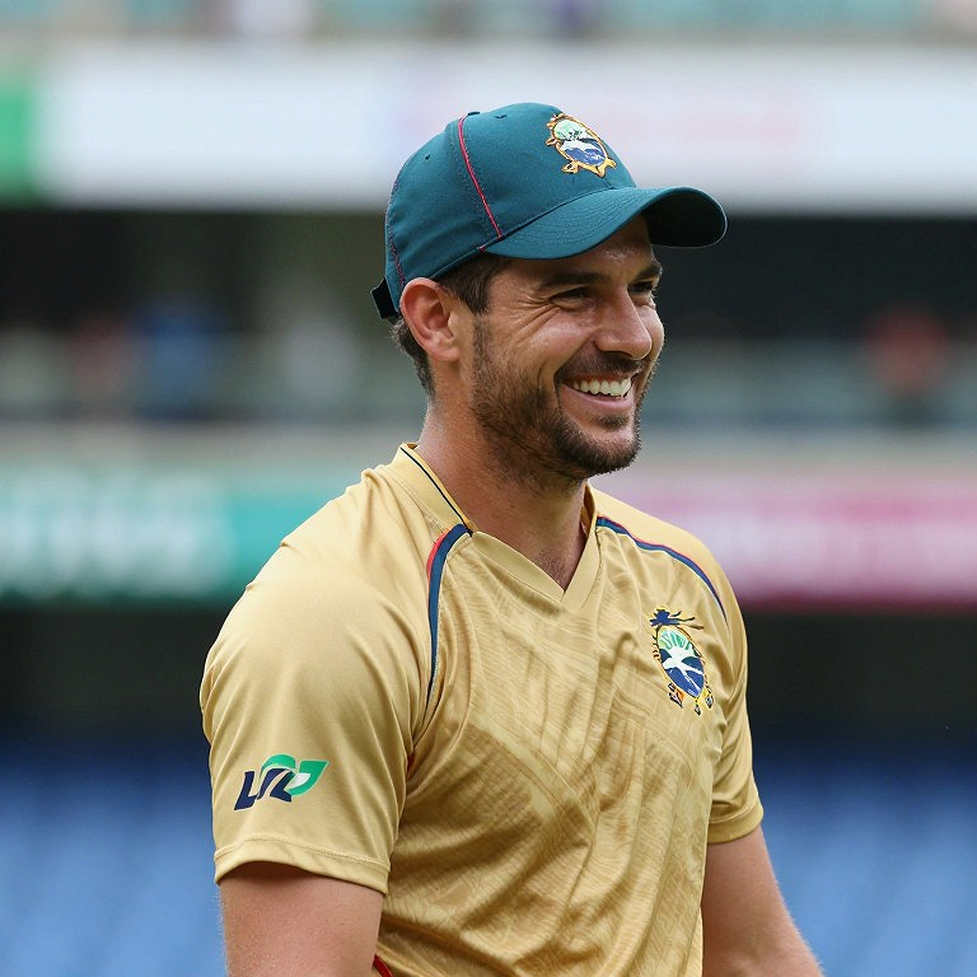
The substance: Dhoni has said he will settle his IPL future before December, and he has named fitness as the gate. The report also notes he did not play a full season. Ruturaj Gaikwad has held the captaincy since 2026, and in that window Chennai finished last once and eighth once. Under Dhoni, CSK won five IPL titles and two CLT20 crowns; the last IPL title came in 2026 under him.
The December date is itself a data point. IPL retention and auction calendars sit on roughly that window, so this is a player's private call and a franchise's planning constraint at once. In my ledger the rows that are filled describe age and fitness. The row that is blank is strike rate. One more caveat: the season the source references does not reconcile with my own dated records, so I am stamping every comparison with a date and treating the timeline as reported, not verified.
An average of 38.30 does not measure T20 value. Built on roughly a hundred not-outs, it records a finisher's habit of surviving brief innings. Teams do not buy averages in the death overs; they buy runs per ball. Elite finishers sit in the 140-160+ strike-rate band, and since the report chose not to publish that figure, I will not assign a current batting rating. This belongs in the insufficient-information column.
Twenty-four fifties fit the role, not the reputation. A batter who comes in at six or seven will produce one roughly every ten innings. That is useful confirmation that his assignment was the last five overs, not the first ten.

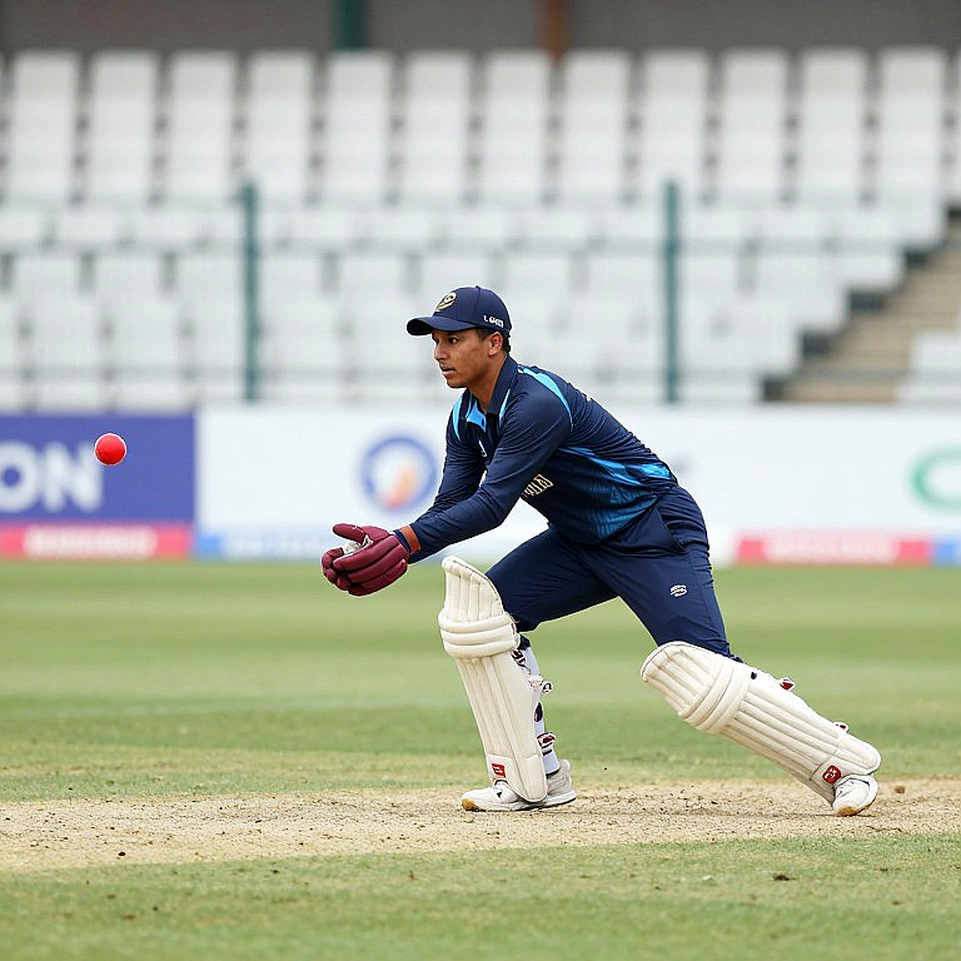
Past the age curve, the question is power retention, not technique. The batting peak sits between 27 and 33. Taken at face value, the forward-dated framing puts him well beyond it, and decline at that stage shows up in knee durability and reflex speed rather than in the technical set-up. Wicketkeeping is almost purely reflex work, which is why teams late in a keeper's career start splitting the job — slip, or a batting cameo with the gloves parked elsewhere.
Five titles are a captaincy data point, not a current batting one. With two CLT20 wins alongside, it is strong evidence of leadership. Folding it into a batting assessment is the mistake that gets repeated every season.
Chennai's real exposure is wiring, not runs. Dhoni occupies three slots in one body: the death-overs cameo, the dressing-room anchor, and the brand. Replacement cost is not a number; it is the story a squad tells after the auction. The story here is that the batting can be replaced and the anchor cannot. Legacy premium and performance premium are different instruments, and Dhoni's price sits firmly in the first.
Let me steelman the popular read. “Dhoni stepped back from captaincy and Chennai fell” is emotionally coherent, and for anyone who has sat through those Chepauk evenings, it feels true. I have spent the last several seasons watching the final five overs of CSK innings in the hope that something happens. That hope never makes it into a ledger, and it never quite dies either.
Audit it, though, and the evidence is two seasons. The line being drawn between a change of captain and a collapse in results is correlation, not causation. Squad composition, bowling depth and bench quality get no sentence in the report at all. Chepauk's home friendliness can mask a soft away record; the neutral venue did not erase home advantage, it moved the ledger, which is why reading home-away splits without adjustment is a mistake here too. The line about being among the greatest batters in IPL history rests on cumulative output, and on that basis it is defensible. It is not a claim about present value.
Some of this sits outside the ledger entirely. Knees, reflexes and dressing-room politics are the things ball-by-ball data does not record. What sources are saying on that front is unverified, and I am keeping it in a separate cell rather than spending it as a conclusion.
Four rows will get filled next: the December verdict, the retention list, the first five matches of the next season, and the pressure on Gaikwad's captaincy. If the decision rests on fitness, wait for the plain confirmation rather than the headline's poetry.
If Chennai's slide belongs to a squad cycle rather than to Dhoni's departure, the first five matches will start answering that. Then watch whose name gets entered in the ledger.