
One Goal, Two Ledgers: The Saudi Pro League and the Fight Over Football's Record Book
**मुख्य उत्तर**: सऊदी प्रो लीग ने रोनाल्डो के 49वें मिनट के गोल को सेल्फ-गोल से बदलने के लिए FIFA और Opta से संपर्क किया, क्योंकि रेफरी ने गोल उनके नाम दर्ज किया था जबकि तीनों डेटा प्लेटफ़ॉर्म ने इसे गिरोटो का सेल्फ-गोल लिखा। **मुख्य तथ्य**: - 49वें मिनट में जोआओ फेलिक्स की फ्री-किक गिरोटो से टकराकर जाल में गई। - रेफरी अब्दुल्लाह अल-ओवैदान ने गोल रोनाल्डो के नाम दर्ज किया; Opta, Sofascore और FIFA मैच सेंटर ने सेल्फ-गोल। - लीग के बहीखाते में 982 करियर गोल, डेटा कंपनियों के यहाँ 981; 1,000 तक 18 या 19 बाकी। - 26 अक्टूबर की बैठक में लीग ने रुख़ तय किया; रिकॉर्ड बदलने का कोई संकेत नहीं। - खबर ख़ालिद अल-श्नेफ़ के हवाले से; लीग का कोई आधिकारिक बयान जारी नहीं हुआ। **स्रोत**: सऊदी स्पोर्ट (ख़ालिद अल-श्नेफ़ की रिपोर्ट); प्रकाशन तिथि स्रोत में स्पष्ट नहीं। घटना की तारीख़ 26 अक्टूबर, वर्ष स्रोत में अंकित नहीं — सत्यापन-लंबित। **संबंधित प्रश्नोत्तर**: प्रश्न: क्या FIFA के पास करियर गोल का रिकॉर्ड बदलने का अधिकार है? उत्तर: नहीं — FIFA मैच और प्रतियोगिताएँ चलाता है, व्यक्तिगत करियर आँकड़ों का कोई आधिकारिक रजिस्टर उसके पास नहीं है। प्रश्न: Opta किस स्थिति में सेल्फ-गोल दर्ज करता है? उत्तर: जब डिफेंडर का स्पर्श गेंद की दिशा स्पष्ट और साफ़ तौर पर बदल दे; सिर्फ़ छू जाने पर गोल हमलावर के खाते में रहता है। प्रश्न: क्या किसी लीग में गोल का मालिकाना बदलने का तंत्र पहले से है? उत्तर: हाँ — प्रीमियर लीग का गोल एक्रेडिटेशन पैनल मैच के बाद संदिग्ध गोलों की समीक्षा कर मालिकाना बदल सकता है, पर उसका दायरा लीग के अपने रिकॉर्ड तक सीमित है।
The free kick came in the 49th minute, struck by João Félix. The ball drifted into that zone of the box where Cristiano Ronaldo was standing and where Al Faisaly's defender Andrei Girotto was tracking him. It struck Girotto, changed course, crossed the line. Referee Abdullah Al-Owaidan wrote the goal down as Ronaldo's in his match report. Three other scoreboards disagreed the same night — FIFA Match Center, Opta and Sofascore all coded it an own goal by Girotto.

One goal. Four registers. Two numbers. The league's ledger has Ronaldo on 982 career goals; the data providers have him on 981. On one count he is 18 goals from a thousand, on the other 19. The entire dispute rests on a single digit nobody owns.
At 7:30 in Delhi the kettle boils before Moscow stirs, and I begin. What has bothered me most about this file is not the goal. It is the paperwork the goal is standing on.
According to the original report, Saudi Pro League officials agreed a coordinated position at an October 26 meeting and formally approached both FIFA and Opta. The story was broken by the Saudi journalist Khaled Al-Shneif, passed through Saudi Sport and then a Vietnamese aggregator. No official league statement followed. The "fight to the end" resolve is attributed to unnamed media. Neither FIFA nor Opta has commented, and the report itself concedes there is no indication the record has been changed.
One date problem needs flagging. The source anchors events to "the evening of October 26" with no year. It also gives the player as 41 while carrying a tally of 982. Those figures cannot be reconciled internally. Treat both as data-to-be-verified. Anyone arguing about a number must first establish which date the number belongs to.
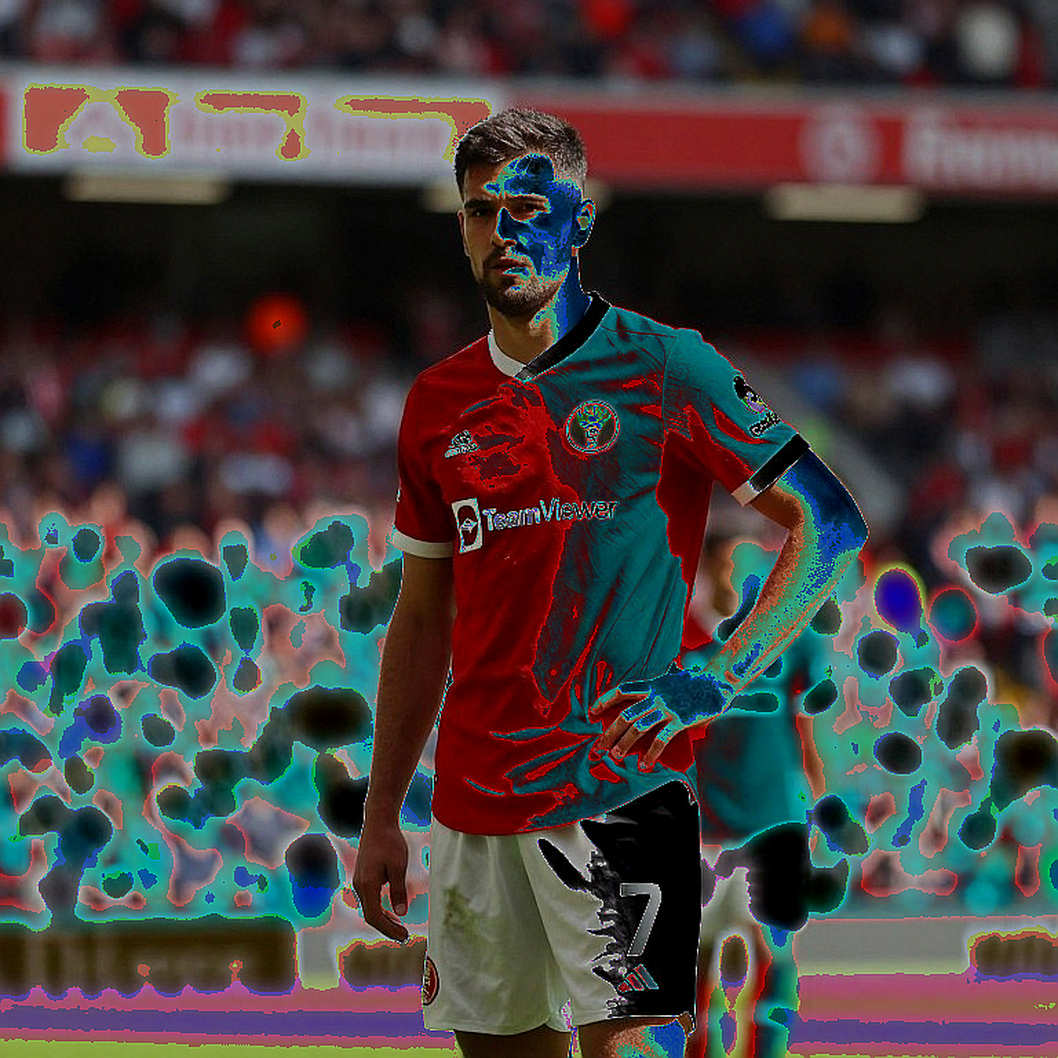
Nobody is the custodian of the career goal. FIFA runs matches and competitions; it does not hold a lifetime individual register. Opta and Sofascore are private firms applying their own coding guidelines. The referee's report binds the match result and the competition's official record, and it has no purchase on a commercial database. Three systems, three rulebooks, no court between them.
From Pelé's thousandth to Romário's thousandth, this argument has always run between a player's camp announcing and the world doubting. FIFA never certified either, because the charter to do so does not exist.

The real question is the coding threshold. An own goal is recorded when a defender's touch clearly and obviously alters the ball's path. Provider guidelines generally credit the attacker when the ball merely brushes a defender. This contact sits just above the threshold — substantial, not unambiguous. Three independent platforms landing on identical coding is not a conspiracy; it is an entrenched convention.
The door the league knocked on may be symbolic. FIFA Match Center data is frequently sourced and verified through third-party providers. FIFA here is less an independent adjudicator than a downstream consumer. The man behind that door is reading somebody else's file.
The model that actually works already exists. The Premier League's Goal Accreditation Panel reviews disputed goals after the fact and can reassign them. Its authority stops at the league's own record; it cannot instruct Opta to rewrite its database. The difference is that an internal mechanism exists and is accepted. The Saudi Pro League has no such mechanism, which is why it is knocking on external doors.
India lives this story daily. Six grounds, six grammars — I went looking for the sentence that holds them all. Kolkata to Margao, Shillong to Kozhikode, the same fault line appeared everywhere: the scoresheet is made at the ground, the record is made later in a room. In the I-League years the difference between an own goal and a deflection was settled by a club bulletin, not a shared registry. Indian football still has no single official career-goal register anyone can verify against. In a country still fighting to link its pyramid, the fight over who owns a goal is older still. Every stadium keeps a style sheet; the poetry is in the margins — and the margin here is this count.
This goal has three parties, not two. Ronaldo wants it in his name. Girotto does not want it in his — an own goal carries its own line in a defender's biography. The data houses want consistency in their coding. No settlement out of that triangle produces a winner everywhere.
The economic scales are crooked. On one pan, a single goal. On the other, the sight of a wealthy, ambitious league pressing independent statisticians on behalf of its most valuable employee. The moment "fight to the end" goes public, the cost of climbing down goes up with it. That trade-off was surely weighed at the meeting and the decision was still to push — which tells you the thousandth goal is a brand asset larger than the sport it sits in.
The party nobody asked is the one that matters. There is no public record of Opta being approached for comment. A story about a data company's credibility that does not carry the data company's position is the reporting's clearest structural weakness.
The easy reading is a giant institution blocking a player. Nothing in the file describes an act of blocking. This is not a confrontation; it is a jurisdictional vacuum. No rule has been broken. Everyone is playing by a different book and the books have no ladder between them.
The second blind spot is that a correct answer may not exist. Three platforms reaching the same conclusion suggests their guideline treats the case as settled — by their measure, Girotto's touch is material. By the referee's measure, the goal is the attacker's. Both are right inside their own definitions. What we are arguing about as fact is, in practice, a definition.
The third thing everyone is missing: the league chose this fight at its own convenience. An alternative route existed — submit the footage to the provider's own review process on grounds of clear and obvious error. A petition from an interested party is generally the weakest input such a review can receive. The league chose public pressure over that route, where the odds of winning are low and the noise is loud.
The thousandth goal will arrive. The question is which number flashes on the screen — 999 to 1,000, or 998 to 999 and then a sentence with an asterisk. If the two ledgers keep running in parallel, Ronaldo's biggest record will be filed permanently with a footnote. And on the day football finally builds itself an official record registry, this episode will be counted among its founding cases. Until then I leave one question standing: if we cannot settle who owns a goal today, by what authority will we claim tomorrow that the history was written correctly?